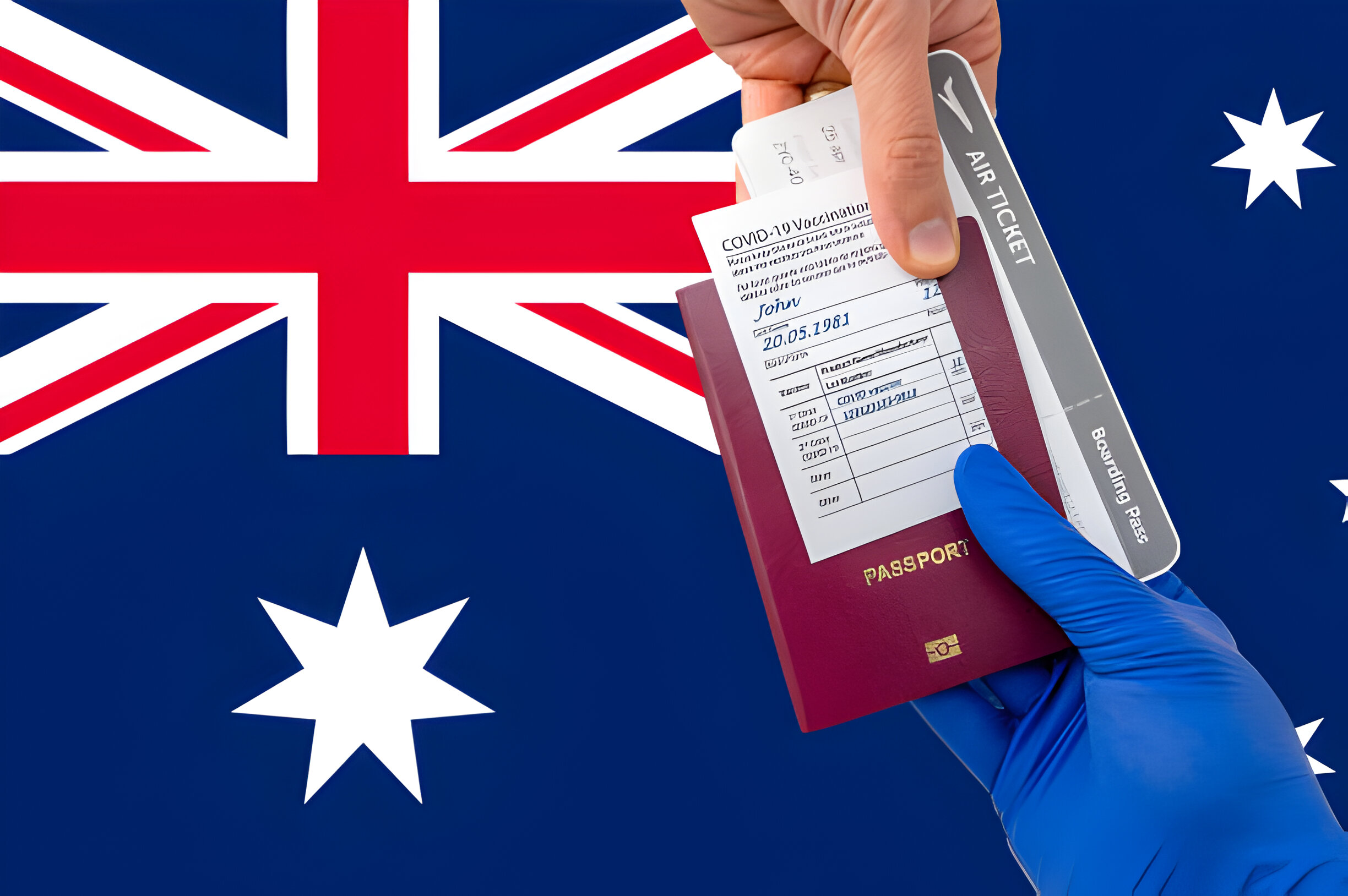
Australia, is a dream destination for many professionals seeking work opportunities abroad due to its high quality of life and strong economy.
If you’re considering moving to Australia for work, understanding the visa requirements and application process is key to making your dream a reality.
Types of Work Visas in Australia
Australia offers several types of work visas, each designed to cater to different needs. Here are the most common ones:
a. Temporary Skill Shortage (TSS) Visa (Subclass 482)
The TSS visa allows employers to sponsor skilled workers for temporary employment. It is valid for up to four years, depending on the occupation and labor market needs in Australia. Workers must have the required skills for a listed occupation on the Skilled Occupation List (SOL).
b. Skilled Independent Visa (Subclass 189)
This is a points-based visa for skilled workers who are not sponsored by an employer, state, or family member. Applicants are invited based on their qualifications, skills, and work experience, allowing them to live and work anywhere in Australia permanently.
c. Skilled Nominated Visa (Subclass 190)
This visa is also points-based, but it requires nomination by an Australian state or territory government. Once nominated, applicants can live and work permanently in Australia in a specific region.
d. Employer Nomination Scheme (ENS) Visa (Subclass 186)
The ENS visa enables Australian employers to sponsor skilled workers for permanent residency. Applicants must meet specific skill, age, and language criteria and have a job offer from an approved Australian employer.
e. Working Holiday Visa (Subclass 417 and 462)
This visa allows young adults (aged 18-30 or 35 for some countries) to work and travel in Australia for up to 12 months. It is a great option for those looking for short-term employment while exploring the country.
Eligibility Criteria for Australian Work Visas
The eligibility criteria vary depending on the visa you are applying for, but there are some general requirements common to most Australian work visas:
a. Skills and Qualifications
You must possess the necessary qualifications and skills related to the occupation you are applying for. For skilled visas, this means being on the Skilled Occupation List (SOL) and having experience in that profession.
b. Language Proficiency
English is the primary language of business in Australia, so demonstrating proficiency through tests like IELTS, TOEFL, or PTE is often required. Most skilled visa categories require a minimum level of English proficiency.
c. Health and Character Requirements
Australia requires applicants to undergo medical examinations to ensure they meet the country’s health standards. You may also need to provide police clearance certificates to prove you have no criminal record.
d. Points-Based Assessment
For visas like Subclass 189 and 190, Australia uses a points system based on factors such as age, education, work experience, and language skills. You will need to score at least 65 points to qualify, though higher scores improve your chances of receiving an invitation.
e. Sponsorship or Nomination
For employer-sponsored visas, such as the TSS or ENS visas, you must have a job offer from an approved Australian employer. For state-nominated visas, you need to receive an invitation from a state or territory government.
Steps to Apply for an Australian Work Visa
Step 1: Determine Your Eligibility
First, identify the visa type that suits your skills and goals. Review the specific eligibility criteria for that visa, such as skills, age limits, and points requirements.
Step 2: Skill Assessment
For many skilled visas, you must undergo a skills assessment by an authorized assessing body. The assessment verifies that your qualifications and work experience match the standards required for your nominated occupation.
Step 3: Expression of Interest (EOI)
If you are applying for a points-based visa like Subclass 189 or 190, you will need to submit an Expression of Interest (EOI) through SkillSelect. Your EOI will outline your qualifications, skills, and experience. If you meet the requirements and score high enough, you may receive an invitation to apply for the visa.
Step 4: Receive Nomination or Sponsorship
For visas that require employer or state nomination, such as Subclass 190 or 186, secure your job offer or nomination. You will need to show proof of your nomination or sponsorship when you submit your visa application.
Step 5: Submit Your Visa Application
Once you’ve received an invitation or secured sponsorship, submit your visa application through the Australian Department of Home Affairs website. Ensure that all your documents, such as proof of skills, health checks, police clearance, and English proficiency, are ready.
Step 6: Visa Processing
Visa processing times vary depending on the type of visa and your specific circumstances. While waiting for approval, you may be asked to provide additional information or undergo further health checks. Stay patient and keep track of your application status.
Step 7: Receive Your Visa
Once your visa is approved, you’ll receive a notification and instructions on how to activate it. Depending on the visa, you may be able to enter Australia immediately or begin working with your employer.
Common Challenges and Solutions
a. Not Meeting the Points Requirement
If you don’t meet the required points for skilled visas, consider improving your score by gaining additional qualifications, getting more work experience, or improving your English proficiency through retaking the language test.
b. Securing a Job Offer
Finding a job before applying for a visa can be challenging, but using platforms like Seek, LinkedIn, and Australian job boards can help. Networking with professionals in your field may also lead to job opportunities.
c. Visa Processing Delays
The visa process can sometimes take longer than expected. To avoid delays, ensure you have all the required documents ready before applying and respond promptly to any additional requests from immigration officials.
Immigrating to Australia for work is an exciting opportunity, but it requires careful planning and understanding of the visa application process. With the right preparation, this journey can lead to a fulfilling career and a new life in one of the world’s most dynamic countries.
For further information on your visa options and to get started with your visa application, feel free to follow the link below;